'/> Knowledge Is Power: Medical conditions
Showing posts with label Medical conditions. Show all posts

Thursday, August 30, 2018

Elimating Mucus and Phlegm

How to Eliminate Mucus and Phlegm From Your Throat and Chest Immediately               
By Abbey Ryan
There are few things as absolutely disgusting and consistently annoying as coughing up phlegm and mucus. In addition, having breathing difficulties can not only be scary, but also more or less debilitating. Breathing difficulties and coughing tends to occur as a result of nasal obstructions which are most commonly caused by an excessive amount of phlegm in the lungs (1).
Most people want to clear this out not only to save them from the annoyance of coughing, but also because of the possibility of it leading to some more severe health conditions (2). While our body produces phlegm through mucus membranes in order to protect it from viruses, dust, and allergies, an excess tends to lead to bronchial issues and even lung infection (2). When you are in perfect health, the mucus tends to be thin and barely noticeable, but when you’re sick or fighting an allergen or virus, it thickens in order to trap foreign substances (3).


What can you do to clear your lungs and air pathways?
So if you’re having trouble with the production of mucus in your throat, see the following list for some ideas on how to clear up your breathing pathways:
Remedies


1. Lemon and Honey (1). This mixture not only boosts your immune system, but it also prevents infections and soothes coughs. The lemon cuts down the mucus. Simply mix two tablespoons of lemon juice with a tablespoon of organic honey in a bowl and consume three times daily.
2.  Peppermint tea or oil (1, 4). Peppermint oil is commonly used as a decongestant, as the herb itself offers so many refreshing, cooling properties that clear up respiratory infections. Try boiling fresh peppermint leaves with a cup of water. Add in some honey if you need a sweetener and allow it to steep for a few minutes before consuming.
3. Turmeric (1). Turmeric so happens to be one of the most versatile of the spices in your cabinet, as well as one of the healthiest. It has strong antibacterial and antiseptic properties, which means it is able to strengthen your immune system, fight infection, and clear excess mucus. Try making a turmeric/water/salt mixture and gargling with it. 
4.   Garlic (1, 2, 3). This vegetable is abundant in antiseptic properties. It helps fight bacteria and boost the immune system, so it’s actually helpful in drawing out infections in more than just the throat. If you can bear it, try biting down on a garlic glove to suck up the juices—or, you could gargle with some warm water mixed with garlic oil. 
5.  Eucalyptus tea or oil (1, 3). Since it also has antiseptic abilities, eucalyptus is good for fighting upper respiratory infections. It is able to handle the dryness of the respiratory tracts that often makes breathing difficult. After boiling eucalyptus in water and allowing it to steep, try sipping it throughout the day. 
6.  Ginger tea or oil (1). Powerful as a decongestant, filled with antiviral and expectorant properties, ginger tea helps fight respiratory infections. Try slicing some fresh ginger and boiling it in two cups of water. Sweeten with honey. 
7.   Steam inhalation (1, 2, 3, 4). This is one of the best ways to help clear up excess mucus from your nose, throat, chest, and lungs. It’s best if you can add in antiviral herbs or oils. This helps fight inflammation, soothe irritation, and treat any infections.
Conclusion- While some mucus and phlegm buildup is important and natural, it’s important that it doesn’t get out of hand. Natural remedies are always easier on your throat and lungs than heavy medications, so next time you’re stuck with a cough that won’t seem to leave you alone, try one of these methods!
https://www.healthy-holistic-living.com/eliminate-mucus-phlegm-throat-chest-immediately.html

        Wednesday, May 3, 2017

        Sinus Infection


        Kill Sinus Infection Within Minutes, With What You Have In Your Kitchen!

        November 3, 2016
        A sinus infection is an inflammation of the lining of the sinuses that in many cases lead to persistent headaches, fevers and even facial pains. Fortunately, there are many natural remedies that are effective at cleaning the sinuses and killing the bacteria and viruses responsible for these health problems.

        An acute sinusitis is a sinus infection that can last up to four weeks. While a chronic sinusitis can last 12 weeks or longer if left untreated.
        Infections of the sinuses—the hollow air spaces within the bones in the cheek bones, forehead and between the eyes—are usually caused by either viruses or bacteria. They cause thick mucus blockage and painful or extreme discomfort in these cavities.
        Prescribed antibiotics are not the best remedy for sinusitis as they can cause a lot of dangerous side effects. Your body should be given the right healing food to enable it to cure itself. In any case, antibiotics are not helpful if your sinusitis is caused by a virus.

        How It Works

        Apple Cider Vinegar

        Apple cider vinegar has many practical uses. It is probably one of the top natural remedies for many ailments.
        It contains vitamins, minerals, antioxidants and malic acids that are beneficial for killing bacteria. It works by binding to pathogens and help the body get rid of them more effectively. It is also effective for fighting viral, fungal and Candida infections.
        Look for raw, unfiltered, unpasteurized, organic apple cider vinegar to get the medicinal benefits. How to tell the genuine and “real” apple cider vinegar? The liquid is usually “murky”, not clear, and you can see sediment pieces at the bottom of the bottle—that is the “mother”. If unsure, always buy only Bragg Organic Raw Apple Cider Vinegar.
        When taken orally, ACV breaks up mucus and clear airways, while its antibacterial properties kill the infection-causing bacteria.
        When mucus and nasal congestion is broken down, ACV delivers its rich nutrients to the body to support and strengthen the immune system, preventing the infection from getting worse.
        Although acidic, ACV has all the necessary electrolytes to balance the body’s pH levels and effectively reduces body acidity. Harmful microbes (bacteria or viruses) love an acidic environment and by alkalizing the body it will stop the disease-causing microbes from multiplying. This is why consuming 1-2 tablespoons of ACV every day keeps the viruses away!

        Cayenne Pepper

        The active component of cayenne pepper is a compound in its fruit called capsaicin that gives the pepper its hot fiery taste. Capsaicin has long been used as a painkiller and for reducing nasal congestion.
        There are a few ways you can take pepper to help clear a sinus infection. You can …
        • Use a capsaicin nasal spray
        • Add ½ teaspoon in a cup of hot water and drink for several days till you recover
        • Sniffing a small amount on a spoon to clear airways
        Cayenne pepper works because when ingested, it helps to dilate vessels and help to break down mucus for draining. At the same time, this substance lessens your facial pain, reduces inflammation, stimulates circulation and acts as an antibacterial agent. All of these—and many more benefits of cayenne pepper—are helpful in preventing and relieving the symptoms of sinusitis.
         

        Apple Cider Vinegar Brew For Sinuses

        Ingredients

        Directions

        • Mix all these ingredients in a glass.
        • Stir well and sip the mixture warm until the condition subsides.
        • You may also use this mixture (without honey) to gargle to speed up your recovery.
        http://juicing-for-health.com/kill-sinus-infection-20-seconds.html
         

        Wednesday, September 28, 2016

        9 Reasons to Use Epsom Salt

        Epsom salt, which is not really a salt at all but a mineral compound comprised of magnesium and sulfate, gets its named from a saline spring at Epsom in Surrey, England. Epsom salt has been used for centuries as a natural remedy for a number of ailments and also has many beauty, gardening and household uses.
        Both magnesium and sulfate are readily absorbed into the skin which makes the health benefits readily accessible. Over 325 enzymes in the body are regulated by magnesium which also helps reduce inflammation, alleviates hardening of the arteries and improves muscle and nerve function. Sulfates improve the rate at which nutrients are absorbed and help to flush out toxins.
        Ease Stress
        If you are stressed, you may be deficient in magnesium and you may have elevated adrenaline. When Epsom salt is dissolved in warm water it is absorbed through the skin and can naturally replenish lost magnesium. This magnesium helps the body produce serotonin, which is a mood elevating chemical in the brain.
        Magnesium also increases energy and stamina by encouraging the production of ATP – the energy powerhouse of the cell. Bathing in Epsom salt three times a week can help increase your energy, improve your mood and reduce the negative impacts of elevated adrenaline. Use 2 cups of Epsom salt in each full bath.
        Eliminate Toxins
        The sulphates in Epsom salt draw heavy metals and other toxins from cells which can ease muscle pain and improve cellular function. Adding Epsom salt to your bathwater pulls salt out of your body along with harmful toxins. Add 2 cups of Epsom salt to a warm bath once a week and soak for at least 10 minutes for detoxification.
        Relieve Pain and Cramps in Muscles
        If you have sore muscles, migraine headaches or bronchial asthma, you may want to try an Epsom salt bath. It can relieve both pain and inflammation. If you are on your feet all day you may want to soak them in warm Epsom salt. It can also help neutralize foot odor.
        For Beauty
        Try the following beauty treatments that use Epsom salt:
        Exfoliating Facial Cleanser – Mix a small handful of Epsom salt with a tablespoon of coconut oil and rub on your face. Rinse and pat dry.
        Blackhead Remover – Add a teaspoon of salt and 3 drops of iodine into half a cup of boiling water. Apply mixture to blackheads using a cotton ball.
        Skin Mask – For normal to oily skin, mix 1 tablespoon of cognac, 1 organic egg, 1/4 cup of nonfat dry milk, the juice of one lemon and half a teaspoon of epsom salt together. Dampen your skin and place the mixture on your face – avoiding the eye area. Allow the mask to harden and set for about ten minutes – rinse and pat dry.
        Home and Garden
        Use Epsom salt around your home and garden:
        Clean Bathroom Tiles – Get those dim and dirty tiles in your bathroom clean by mixing equal parts of Epsom salt with liquid dish detergent. Scrub tiles with the mixture and rinse well.
        Fertilize Plants – Plants need nutrients including magnesium and sulfur in order to look their best. Sprinkling Epsom salt once a week on houseplants, flowers and vegetables will provide them with the nitrogen, potassium and phosphorus they need to thrive.

        http://www.thealternativedaily.com/9-reasons-use-epsom-salt/

        Saturday, July 4, 2015

        Arthritis

        I was having a conversation with a friend and we were talking about Arthritis. I did know there are at least 100 types of arthritis.  decided to do some research and Lupus, fibromyalgia and Gout are types of Arthritis.

        Arthritis (from Greek arthro-, joint + -itis, inflammation; plural: arthritides) is a form of joint disorder that involves inflammation of one or more joints.[1][2] There are over 100 different forms of arthritis.[3][4] The most common form of arthritis is osteoarthritis (degenerative joint disease), a result of trauma to the joint, infection of the joint, or age. Other arthritis forms are rheumatoid arthritis, psoriatic arthritis, and related autoimmune diseases. Septic arthritis is caused by joint infection.
        The major complaint by individuals who have arthritis is joint pain. Pain is often a constant and may be localized to the joint affected. The pain from arthritis is due to inflammation that occurs around the joint, damage to the joint from disease, daily wear and tear of joint, muscle strains caused by forceful movements against stiff painful joints and fatigue.

        https://en.wikipedia.org/wiki/Arthritis

        Fibromyalgia syndrome affects the muscles and soft tissue. Symptoms include chronic muscle pain, fatigue, sleep problems, and painful tender points or trigger points, which can be relieved through medications.

        Lupus, an autoimmune disease, happens when the immune system attacks its tissues, causing inflammation, swelling, pain, and damage. Lupus symptoms include fatigue, joint pain, fever, and a lupus rash.

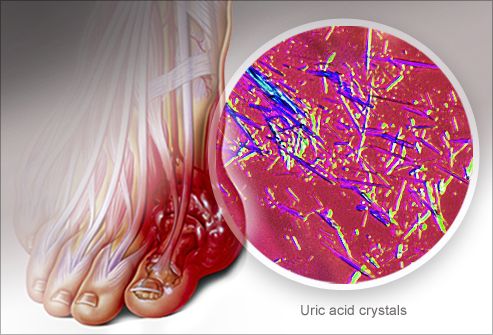
        Gout is a kind of arthritis caused by a buildup of uric acid crystals in the joints. Uric acid is a breakdown product of purines that are part of many foods we eat. An abnormality in handling uric acid and crystallization of these compounds in joints can cause attacks of painful arthritis, kidney stones, and blockage of the kidney filtering tubules with uric acid crystals, leading to kidney failure. Gout has the unique distinction of being one of the most frequently recorded medical illnesses throughout history.

        Monday, July 1, 2013

        Diabetes Diagnosed


        How is diabetes diagnosed?

        There are several ways to diagnose diabetes. Each way usually needs to be repeated on a second day to diagnose diabetes. Testing should be carried out in a health care setting (such as your doctor’s office or a lab). If your doctor determines that your blood glucose level is very high, or if you have classic symptoms of high blood glucose in addition to one positive test, your doctor may not require a second test to diagnose diabetes.
        A1C. The A1C test measures your average blood glucose for the past 2 to 3 months. The advantages of being diagnosed this way are that you don’t have to fast or drink anything.
        • Diabetes is diagnosed at:
          A1C ≥ 6.5%
        Fasting Plasma Glucose (FPG). This test is usually done first thing in the morning, before breakfast and checks your fasting blood glucose levels. Fasting means after not having anything to eat or drink (except water) for at least 8 hours before the test.
        • Diabetes is diagnosed at:
          Fasting blood glucose ≥ 126 mg/dl
        Oral Glucose Tolerance Test (also called the OGTT). The OGTT is a two-hour test that checks your blood glucose levels before and 2 hours after you drink a special sweet drink. It tells the doctor how your body processes glucose.
        • Diabetes is diagnosed at:
          2-h blood glucose ≥ 200 mg/dl
        Random (also called Casual) Plasma Glucose Test. This test is a blood check at any time of the day when you have severe diabetes symptoms.
        • Diabetes is diagnosed at:
          Blood glucose ≥ 200 mg/dl

        What is prediabetes?

        Prediabetes is a condition when you have blood glucose is higher than normal but not high enough to be diabetes. This condition puts you at risk for developing type 2 diabetes.
        • Results indicating prediabetes are:
          An A1C of 5.7% – 6.4%
          Fasting blood glucose of 100 – 125 mg/dl
          2-h blood glucose of 140 mg/dl – 199 mg/dl

        http://www.blogger.com/blogger.g?blogID=3812696368981778379#editor/target=post;postID=6864543475828839605

        Friday, June 21, 2013

        Diabetes Symptoms

        Type 1 Diabetes

        • Frequent urination
        • Unusual thirst
        • Extreme hunger
        • Unusual weight loss
        • Extreme fatigue and Irritability

        Type 2 Diabetes

        • Any of the type 1 symptoms
        • Frequent infections
        • Blurred vision
        • Cuts/bruises that are slow to heal
        • Tingling/numbness in the hands/feet
        • Recurring skin, gum, or bladder infections
        If you have one or more of these diabetes symptoms, see your doctor right away.

        No Symptoms? You May Still Have Diabetes

        Often people with type 2 diabetes have no symptoms. That is why it is important to take our Online Diabetes Risk Test to find out if you are at risk for type 2 diabetes.
        Also, women with gestational diabetes often have no symptoms which is why it's important for at-risk women to be tested at the proper time during pregnancy.
        Risk factors for gestational diabetes include:
        • Being overweight prior to pregnancy
        • Having had gestational diabetes in a prior pregnancy
        • Having a family history of diabetes
        Learn more about gestational diabetes.

        http://www.diabetes.org/diabetes-basics/symptoms/

        Saturday, April 20, 2013

        High Blood Pressure


        High blood pressure, also known as hypertension, affects millions -- even children and teens. WebMD's High Blood Pressure Guide has all the information you need to understand and manage your blood pressure. Learn all about causes, symptoms, diagnosis, treatment, and prevention. Even discover natural ways to manage your blood pressure and stay well. Let's get started!

        http://www.webmd.com/hypertension-high-blood-pressure/guide/hypertension-overview-facts

        High Blood Pressure Basics


        Hypertension, or high blood pressure, is a common condition that will catch up with most people who live into older age.
        Learn all about the basics of blood pressure and high blood pressure: an overview of risk factors, causes, diagnosis, and treatment.
        Find out what the top and the bottom blood pressure numbers mean and make sure your numbers are on target.
        If you are African-American, what can you do to avoid developing high blood pressure? Find out how you can protect yourself from this serious health condition.
        Why is high blood pressure in children a growing problem? What can you do to protect your child from this threat?

        Causes

        Discover what causes high blood pressure. Start today to change the risk factors you can control.
        Learn about the causes, symptoms, and treatments of renal artery stenosis.
        Find out if your medications are making your blood pressure rise.

        Are You at Risk?

        Prehypertension is a warning sign that you may get high blood pressure in the future. Are you at risk?
        The exact cause of hypertension is unknown, but there are several factors and conditions that may contribute to its occurrence. Learn about high blood pressure risk factors here.
        Evaluate your personal health and your risks for big health problems.

        Prevention

        About one in every four American adults has high blood pressure -- also know as hypertension. Learn the simple steps you can take, from maintaining a healthy weight to the dietary supplements that may help.
         

        Thursday, March 28, 2013

        Acid Reflux 1-5

        10 Tips to Alleviate Acid Reflux
        JoyBauer.com

        Follow these eating and lifestyle tips to avoid  or alleviate the pain and discomfort associated with GERD, acid reflux, and heartburn.
         
        Do you frequently suffer from heartburn? These guidelines can help to prevent or relieve the uncomfortable — and even downright dangerous — symptoms of gastroesophageal reflux disease (GERD). The danger from GERD lies in the repeated exposure of the esophagus to acid; this can result in respiratory symptoms as well as changes in the lining's cells that may lead to cancer. In addition to following these strategies, check with your physician to see whether you're a candidate for medication.
         
        Relax and eat your food slowly.Instead of eating a lot at one sitting, which can make acid-reflux symptoms worse, eat only until you're comfortably full (versus overly stuffed). Be sure to sit down and take your time during a meal; strive to truly taste and enjoy each mouthful. One tried-and-true trick to eating more slowly is to put down your fork on the table between every few bites.
         
        Limit beverages during meals.If you suffer from GERD, limit your fluid intake with meals. Liquids add to the volume of food in your stomach and increases stomach distension. A full belly puts more pressure on the lower esophageal sphincter (LES), the muscle that normally prevents food from moving back up into your esophagus, and thus adds to your risk of reflux. To minimize stomach volume, take small sips of water while you eat, and try to drink mostly between rather than during meals.
         
        Shed extra pounds.Being overweight is a major contributor to heartburn. Overweight individuals are twice as likely to suffer from symptoms of GERD as are people of a healthy weight. Extra weight may increase pressure on the stomach, causing the LES muscle to relax, which allows stomach backflow. Body fat may also release chemicals that interfere with normal digestive functioning. The good news is that research shows losing even a small amount of weight can help relieve symptoms and control heartburn. If you need help getting started, check out my four-step online weight-loss program, which provides daily meal plans, healthy recipes, access to a personal nutrition coach, and handy trackers to help you succeed.
         
        Incorporate moderate exercise.The key word here is moderate. Vigorous exercises like running can agitate your digestive tract and provoke reflux, but incorporating moderate, low-impact exercises such as walking is actually beneficial (and it keeps you upright, allowing gravity to aid digestion). Exercise can also help you lose weight, which can dramatically reduce the severity of heartburn. To minimize the risk of symptoms, wait at least two hours after eating to work out; also avoid sports drinks, which may aggravate reflux due to their acidity. If you're a beginner, start slow and build up to at least 30 minutes of walking most days of the week.


        Acid Reflux 6-11

        10 Tips to Alleviate Acid Reflux
        JoyBauer.com

        Follow these eating and lifestyle tips to avoid  or alleviate the pain and discomfort associated with GERD, acid reflux, and heartburn.
         
        Cut the fat.Lay off the chicken wings, fried foods, deep-dish pizza, and fatty steak. High-fat meals like these relax the LES and delay stomach emptying, making it more likely that you'll experience reflux. Instead, make lean proteins (like skinless poultry, seafood, beans, and lean cuts of red meat) and fiber-rich produce and whole grains your diet staples.
         
        Watch out for potential trigger foods.When it comes to your diet, eating smaller meals is by far the most important step you can take to prevent reflux, more so than changing the foods you eat. That said, there are specific foods that can aggravate symptoms in certain individuals. The most common culprits are fried or fatty foods, alcohol, caffeinated beverages like coffee and tea, chocolate, mints and mint-flavored items, citrus juices and fruits, tomatoes and tomato sauce, spicy foods, onions, garlic, and carbonated beverages. Everyone has different triggers, though, so if you find that these foods don't cause you any discomfort, you can continue to enjoy them.
         
        Don't lie down after eating.If you're prone to acid reflux, it's important that you don't lie flat for a minimum of two hours after you've eaten a meal or snack. In fact, stand up and walk around to help encourage the gastric juices to flow in the right direction. For the same reason, while sleeping, keep your upper body elevated by placing a few books or a foam wedge underneath the mattress or propping up the legs at the head of the bed with blocks or books.
         
        Wear loose fitting clothing.Avoid anything tight around your middle, which can put pressure on your stomach and worsen the discomfort and pain of GERD. Until your symptoms are under control, think stretchy and comfortable
         
        Chew cinnamon gum after meals.Chewing gum stimulates saliva production, which helps to neutralize stomach acid. Gum chewing also encourages frequent swallowing, which clears irritating acid from the esophagus more quickly. Just make sure to choose non-mint flavors, since peppermint and spearmint can relax the LES and exacerbate symptoms. Pick up cinnamon or fruit flavors instead.
         
        Quit smoking.Need another reason to give up cigarettes? Smoking increases your risk for GERD! Smoking slows digestion and increases stomach acid, while it also limits salvia production — your body's natural defense against stomach acid! Besides harming your esophagus, cigarette smoke also damages the digestive system and weakens your stomach's LES muscle, which directly causes acid reflux.

        12 Scientific Health Benefits of Turmeric and Curcumin

         By Lauren Bedosky Medically Reviewed by Kelly Kennedy, RD Last Updated: 9/16/2019 There’s no shortage of health claims ab...